

September Only: $5,000 Startup Brand Identity Package [start here]


Designing for Everyone: How Inclusive Architecture Inspires Better Business Practices
In today’s rapidly evolving business landscape, the principles of inclusive architecture—designing spaces that cater to the diverse needs of all individuals—offer valuable insights for organizations aiming to create more equitable and efficient environments. By embracing inclusivity in both physical and operational structures, businesses can enhance employee well-being, foster innovation, and drive sustainable growth.
Understanding Inclusive Architecture
Inclusive architecture transcends the mere addition of accessibility features; it embodies a comprehensive approach to design that considers the varied experiences and requirements of all users. This philosophy challenges traditional norms, advocating for environments that empower historically marginalized groups and promote universal accessibility. As highlighted in a recent article by Wallpaper*, inclusive architecture spans a broad spectrum, from the invention of the modern kitchen to reimagining educational spaces, all aimed at supporting the well-being of diverse populations.
Applying Inclusivity to Organizational Structures
Drawing parallels from architectural practices, organizations can integrate inclusivity into their operational frameworks through several key strategies:
- Diverse Leadership and Representation: Ensuring leadership teams reflect a range of backgrounds and perspectives fosters a culture of inclusivity. This diversity can lead to more innovative decision-making and a deeper understanding of various stakeholder needs.
- Flexible Work Environments: Designing adaptable workspaces that accommodate different work styles and accessibility requirements can enhance productivity and employee satisfaction. This includes considerations for physical accessibility, sensory sensitivities, and collaborative spaces.
- Inclusive Policies and Practices: Implementing policies that support work-life balance, mental health, and equitable opportunities ensures that all employees feel valued and supported. Regular training on unconscious bias and cultural competence can further reinforce an inclusive workplace culture.
The Role of Data in Promoting Inclusivity
Leveraging data-driven insights is crucial in identifying gaps and measuring progress in inclusivity efforts. By collecting and analyzing data on employee engagement, representation, and satisfaction, organizations can pinpoint areas for improvement and track the effectiveness of implemented strategies. This empirical approach enables continuous refinement of policies and practices to better serve all employees.
A Model for Inclusive Design in Action
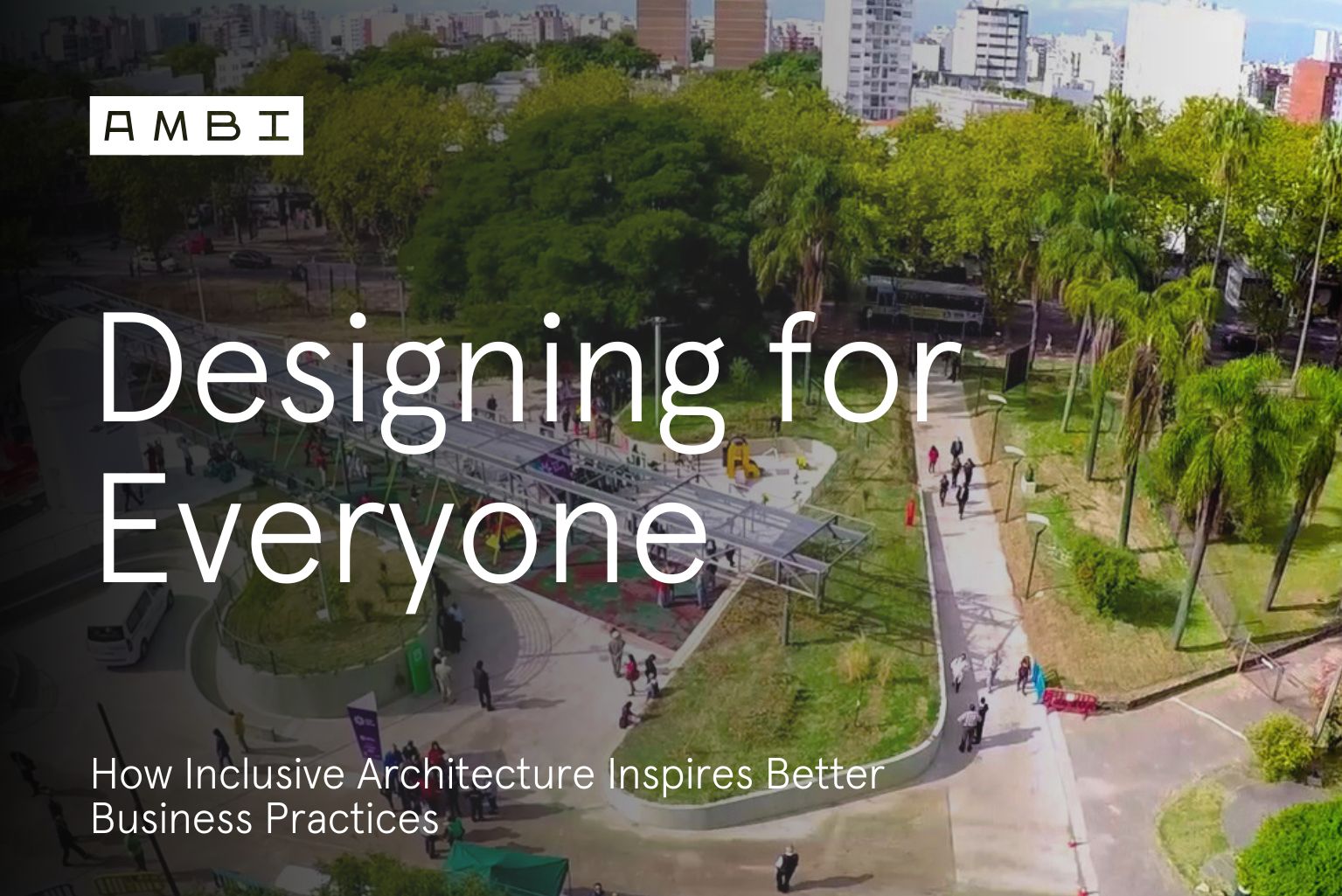
A notable example of inclusive architecture is the Friendship Park in Montevideo, Uruguay. Designed by Marcelo Roux, Gastón Cuna, Patricia Roland, and Federico Lezama, this park is thoughtfully crafted to be accessible and enjoyable for children of all abilities. Features such as swings accommodating wheelchairs, wide walkways, curved corners, and cushioned, slip-resistant flooring ensure safety and ease of use. These design elements not only make the space safe but also easy to use, fostering an environment where all children can play together without barriers.
By integrating such inclusive design principles, Friendship Park exemplifies how thoughtful architectural planning can create spaces that promote equity, accessibility, and community engagement.
Conclusion
Embracing the principles of inclusive architecture within organizational structures is not merely a moral imperative but a strategic advantage. By fostering environments that recognize and accommodate diverse needs, businesses can unlock the full potential of their workforce, drive innovation, and achieve sustainable success.
At AMBI, we are committed to integrating inclusivity into our core operations, ensuring that our solutions and workplace culture reflect the diverse world we serve.
Let’s Get Started
Ready for an all-in partner with the talent, skills, and guts to take you to the next level? Share information below, and we’ll be in touch soon.