Founder Essay — W.Bradford
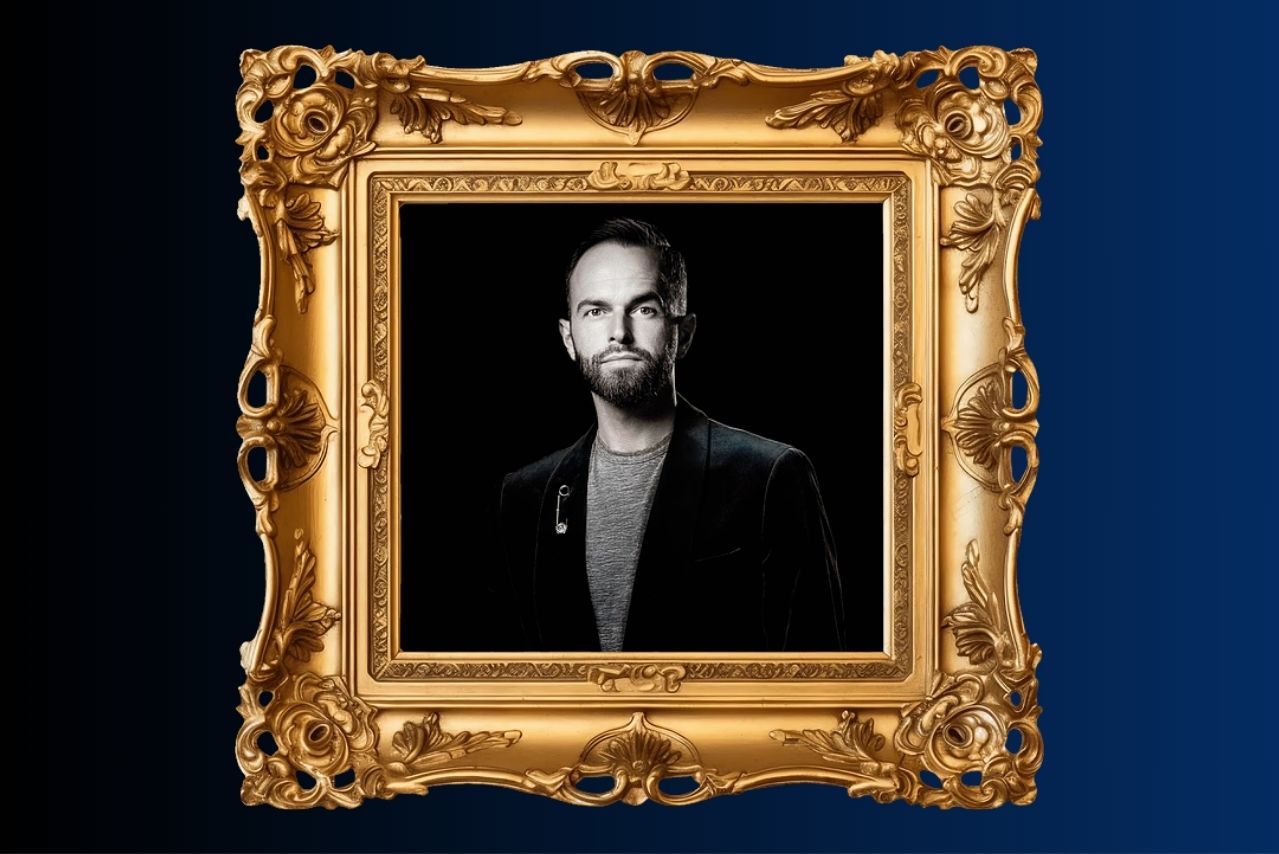
A reflection from Will Sears, Founder and CEO of W.Bradford, on the occasion of the agency’s ninth year.
Will Sears — Founder & CEO
Ninth Year · 6 min read
Nine years ago, I founded this company with a clear point of view and the stubbornness to back it up. That part hasn’t changed. Nearly everything else has.
I’ve served more than sixty clients across industries. Built and rebuilt a team. Made decisions I’m proud of and a few I learned from the hard way. Watched the market shift under our feet multiple times and kept moving anyway.
This isn’t a victory lap. It’s a field report. Nine things I know for certain after nine years of doing this work.
The bolder the creative, the better the results. Every time.
Not sometimes. Every time.
The campaigns I’m most proud of, the ones that opened new markets, changed how a brand was perceived, and made our clients genuinely uncomfortable before they proved right, all began with a decision to do the harder, riskier, more interesting thing.
Safe creative is expensive. Not in the invoice sense, in the opportunity-cost sense. It checks every box and moves nothing. The work that builds brands and changes the trajectory of a business always starts with someone in the room deciding to push through the discomfort. The results keep confirming it.
The runway got shorter. The bar got higher. Both are true.
The appetite for bold creative in B2B has narrowed. That’s not a complaint, it’s an observation. Private equity timelines, compressed budgets, and a culture built around the bottom line have shortened the space for an idea to find its footing before it’s evaluated.
Work that once earned six months to develop now needs to perform on first contact. If it doesn’t land immediately, it’s ‘not working.’
Here’s what that actually demands: better creative from the start. Not safer, better. Tighter strategy, sharper execution, faster proof of concept. The standard of entry has increased. The standard of output has to match it.
The only way out is through.
Every business owner I know has a version of the same story. The deal that evaporates at the finish line. The client who disappears right before a breakthrough. The quarter that looked like a turning point and then didn’t.
None of it is unique. All of it is hard.
What I’ve come to understand is that endurance is the differentiator. Not talent alone, not timing. The willingness to stay in the rain even when you’re not sure a storm is coming.
Some days that requires a nearly delusional view of your own capabilities. After nine years, I’ve decided that’s a feature. The breakthrough you’re waiting for cannot find you if you’ve left the building.
The business runs on the founder’s heartbeat.
If I’m flat, the organization feels it. If I’m uncertain, the room picks it up before I’ve finished the sentence. This wasn’t obvious to me in year one. By year four, it was the most important thing I understood about leadership.
Running a business, or a team, or a division, means performing certainty you don’t always feel. It means projecting forward momentum even when the ground isn’t entirely clear. That’s not dishonesty. It’s the job.
The signal you put out shapes everything downstream. The discipline of leading forward, staying upright, staying focused, staying optimistic when it isn’t easy, is what gives an organization its character over time.
Business is not a best friends club. That’s actually fine.
Not everyone in a professional setting will have your interests at heart. Some won’t be honest when honesty matters. Some will take the path of least resistance at your expense. This is not a scandal, it’s commerce.
What nine years has taught me is that the response isn’t cynicism. It’s clarity. Know who you’re dealing with. Build the right structures. Read the room without announcing that you’re reading it.
The people who last, in any industry, are the ones who can hold both simultaneously: open and discerning, trusting and structurally protected. That combination is harder to develop than it sounds and more valuable than almost anything else.
The team is the strategy.
Everything else, the positioning, the creative, the client relationships, the reputation, runs on the people executing it. Talent is necessary. It’s not sufficient.
The qualities that actually determine whether an organization functions at its best are harder to interview for: the refusal to let work fail, the instinct for quality, the composure to stay professional when things get difficult, the humility to serve without diminishing. A genuine aesthetic sense. A worldview wide enough to bring something to the work that isn’t just competence.
Building the team at W.Bradford, slowly, deliberately, without compromising on those qualities, has been some of the best work I’ve done in nine years.
Ownership costs more than the financial model suggests.
The freedom, the autonomy, the upside, all real.
What gets discussed less is the cost. The client you answer at 11pm because the relationship is worth it. The early decisions where you undervalued your own work because the alternative was worse. The moments in a meeting that test every last ounce of professional composure, and you hold it steady. The employees you’ve had to let go who didn’t forgive you for it.
The founder takes those hits. Every one. The stomach for it develops over time. It doesn’t stop landing. The trade is worth it. But it is a trade, and anyone considering it should go in with eyes open.
Nobody tells you it gets quieter at the top.
Nobody prepares you for the shift in the room when you become the one setting the standard. The casual conversation carries more weight than you intend. The offhand comment gets parsed for meaning. You stop being part of the group and start being the signal the group watches.
What I’ve learned, and am still learning, is to think carefully about how I communicate. Not to sanitize it, but to account for the gap between what I mean and how it lands on someone holding different context. That adjustment is an act of respect for the people who’ve chosen to work here.
The solitude is real. So is the satisfaction of building something that wouldn’t exist without you.
My most reliable advisor has never sent an invoice.
My dogs have never reviewed a strategy document, flagged a deadline, or spent a sleepless night running scenarios on a client problem. What they do, without exception, is show up, every morning, every homecoming, with the same uncomplicated warmth and complete indifference to my productivity metrics.
Nine years into running this company, I’ve come to understand that as a form of wisdom.
The ability to be fully present without an agenda, to offer warmth without conditions, to receive the moment exactly as it is, that’s the operating baseline that keeps everything else running. They don’t fix the hard days. They make the hard days survivable. That distinction matters more than I expected.
If you run a business and don’t have a dog, I’d suggest revisiting your strategy.
Nine years.
No apologies. The work continues.

Will Sears
Founder & CEO, W.Bradford