September Only: $5,000 Startup Brand Identity Package [start here]

CONTACT

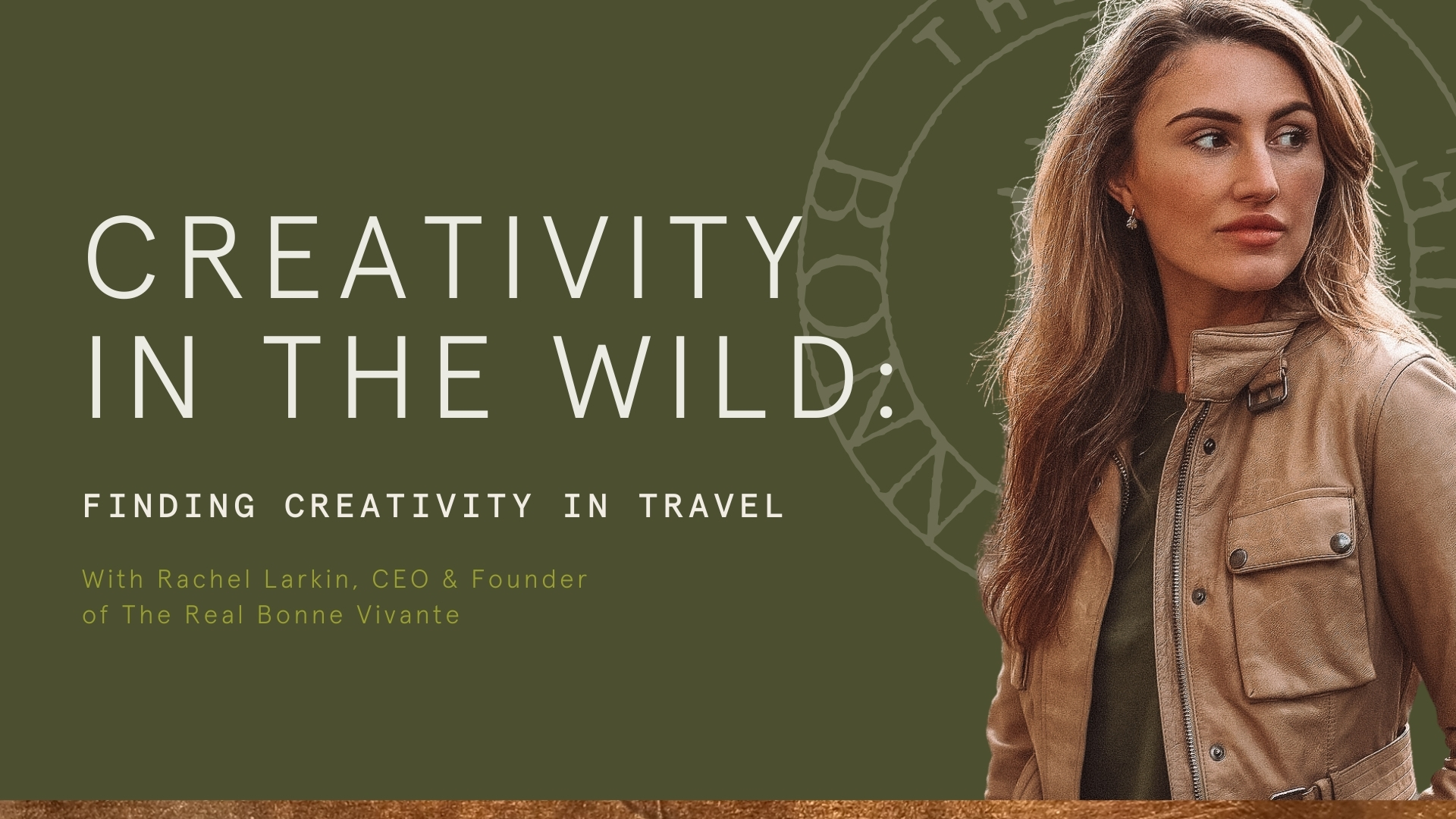
Creative in The Wild: Finding Creativity in Travel

Finding moments of creativity can be challenging, especially in a world inundated with constant information. Yet, there’s something inherently timeless and inspiring about travel and how it opens our minds to new perspectives, cultures, and experiences.

Today, AMBI sits down with travel expert Rachel Larkin, Founder and CEO of the travel and lifestyle brand The Real Bonne Vivante, to discuss cultivating inspiration and creativity through travel. Before founding her company, Rachel was the creative director of countless campaigns, brand projects, and marketing initiatives of companies worldwide through W.Bradford and AMBI.

Cultivating Creativity Through Travel

Many of us working in the built environment industry believe architecture and spaces can profoundly impact our psyche. As a creative at heart and someone who travels for a living, I believe that spaces influence our thoughts, emotions, and experiences. Most, if not all, of my professional work, was inspired by experiences on the open road in some of the most unassuming places. Whether it’s traditional tilework found in a one-hundred-year-old building or a glossy and brand-new luxury resort on the market, the art of pulling creative inspiration lies in the details of your travel experience. Whether a simple weekend getaway or a bucket list-level trip, the true hidden gems require you to experience your space beyond the surface level.

Travel is one of the most powerful tools for creatives. By simply plucking yourself out of your daily environment, routine, and comfort zone, you can immediately see the world with new eyes. With travel, you can instantly experience a different way of life to curate more universally empathic work that transcends language and cultural barriers.

Creating Inspiring Summer Itineraries

When planning your next trip, the most critical question to ask before anything else is, “What is my goal for traveling?” Is it mental rejuvenation and clarity? Is it being inspired by a specific place? Is it being educated on a particular topic? These can influence your trip’s purpose, itinerary, and even the destination you choose.

Secondly, you should also define the category of your trip. I feel most inspired by adventure expeditions, city stays, or cultural trips, which dramatically take me out of my routine and shock my senses. Just because we all work within the built environment doesn’t mean that our inspiration stems solely from architecture or spaces. Some of my best ideas have been sparked during wild expeditions off the beaten path. For example, a past creative concept for an architectural lighting product campaign was inspired by the bold color I saw in Brazil’s Amazon jungle while on a safari expedition. AMBI later bridged that experience with our client’s vibrant custom RAL colorways. Even now, distinct concepts that bridge vastly different things are unprecedented in this industry, and this is where AMBI excels.

On the other hand, city stays offer different inspiration, with their sprawling cityscapes, eclectic neighborhoods, and world-class cultural attractions. From Miami’s vibrant art scene to the iconic landmarks of New York City, every city has its unique character waiting to be woven into its new story. For example, Soraa enlisted AMBI to create a one-of-a-kind brand experience during Miami’s Art Basel to showcase the authenticity of color rendering in its products. The result? AMBI created a wild, daring, and award-winning installation with a live fashion model covered in vibrant body paint—all illuminated by Soraa light technology. It was the perfect opportunity to blend an international art community with a cutting-edge lighting brand.

Finally, cultural trips provide a deeper understanding of the world, exposing us to different customs, traditions, and ways of life. Cultural experiences broaden our perspectives and enrich our creative sensibilities. The AMBI team developed a packaging concept for a new product, Soraa Sky, and leveraged elements of founder Shuji Nakimora’s Japanese heritage into design elements and subtle symbolism. The cultural representation, color psychology, and historical influence of calligraphy played a significant role in tying a new product’s packaging back to the brand’s heritage.

Planning Inspiring Summer Travels

If this is your first time planning a trip to return inspired, an easy place to start is to begin with a destination or idea that you naturally find fascinating. For example, to bring more sustainability into your work, start researching design-forward hotels with a strong backbone in nature and conservation. Often, at nicer accommodations, you’ll find very intentional architecture, fine-tuned details, and activities that interest you and deepen your experience of a destination. Plus, it puts you in direct conversations with experts within that world.

For example, I recently traveled to Caldas, Colombia, to a luxury eco-lodge called El Nido de Condor (rates starting at $460 per night). It was designed by a Colombian family of architects who challenged the travel industry’s definition of an eco-lodge experience. Precariously perched on a plateau in the Andes, a private gondola only reached this hotel property. Despite having luxury amenities and an award-winning chef on site, it was mostly self-sufficient off the grid. My goal for the trip was to disconnect from the modern world, and I returned rested, rejuvenated, educated, and inspired in topics I am passionate about.

Finding inspiration can come from something other than an international trip, too. It’s truly about setting the intention to bring back creativity from an experience. Even just taking that first step to schedule a dinner at a new restaurant in a different city this week or simply walking in the garden to smell the roses in another state, plucking small details of the experience in a very intentional way, is what successful creatives, designers, and marketers do to tell transcendent stories and build inspiring spaces.

Conclusion

In conclusion, creativity is everywhere, waiting to be discovered by anyone looking for it. Whether on a short getaway or while traveling to a bucket list destination, endless opportunities exist to tap into our creative potential.

We invite you to share your own experiences of finding inspiration in travel. Where are you headed this summer to be inspired? Let us know in the comments below.


5 Tips for Fearless Brainstorming

The ability to generate bold ideas and drive creative solutions is paramount in the cutting-edge world of architectural lighting and the built environment industry. At AMBI, we understand that fearless brainstorming is the key to unlocking innovation and driving progress in our industry. In this blog post, we’ll explore five essential tips for mastering fearless brainstorming in the built environment industry. We will draw on our experience and expertise to help you navigate the creative process with confidence and clarity.

AMBI / Cultivates a Culture of Courage

At AMBI, we believe that cultivating a “culture of courage” is essential to fostering fearless brainstorming sessions where team members feel empowered to share their wildest ideas without fear of judgment. By creating an intimate space for creativity to flourish, we unlock the full potential of our team and inspire innovative thinking that defies traditional norms.

AMBI / Challenges Conventional Thinking

Innovation thrives on the willingness to challenge conventional thinking and explore alternative viewpoints. At AMBI, we encourage our team members to question the status quo and push the boundaries of what’s possible. By embracing creative exploration and thinking outside the box, we can uncover new solutions that revolutionize how we design and build our spaces.

AMBI / Empowers Through Intrinsic Motivation

Empowering our team members is fundamental to fostering innovation at AMBI. By encouraging our creatives to control their work and clearly understand the purpose behind each design phase, we unlock creative potential and inspire junior and senior roles to constantly pitch new ideas. Empowered team members are more likely to take ownership of their projects, develop their skills, and contribute to the success of our brainstorming sessions.

AMBI / Implements Rapid Prototyping and Feedback

Innovation thrives on rapid cycles of idea generation, prototyping, and feedback. At AMBI, we embrace an agile and adaptive approach to brainstorming, allowing us to iterate and refine our concepts quickly. By leveraging rapid prototyping and feedback, we can test our ideas in real-time, ensuring that we’re constantly refining and improving our solutions to meet the evolving needs of our clients and the industry.

AMBI / Leads with a Clear Vision

A clear and compelling vision guides our team’s brainstorming efforts at AMBI. By aligning our creative efforts with strategic goals and objectives, we give our team a sense of purpose and direction that drives their thought leadership. Driving forward with a clear vision inspires and motivates our team to push the boundaries of innovation and creativity, ensuring that our brainstorming sessions are focused and productive.

We also believe in transparency and collaboration throughout our creative process. That’s why we sat down with James Donaldson, our Creative Director, to share insights into how we build strategic brainstorming into our production schedules to generate novel ideas that push the boundaries of creativity.

Step 1: Preparation and Briefing

“Before any brainstorming session begins, defining the campaign’s or brand’s objectives is crucial. We start by distributing pre-meeting packages that include comprehensive market research, competitor analysis, and industry trends. This groundwork ensures that our team is well informed and prepared to tackle the creative challenge.”

Step 2: Kick-off Meeting

“The kick-off meeting sets the tone for the entire brainstorming process. During this session, we discuss the brief in detail, clarify questions, and outline the creative direction. This includes establishing mood boards, color schemes, key visuals, and thematic elements to guide our brainstorming efforts.”

Step 3: Whiteboard Session

“Our whiteboard sessions are the heart of our brainstorming process. Using a digital shared whiteboard, we encourage free-form idea generation. Participants bring their ideas and visuals to the table, leaving feedback in real-time using sticky notes. We incorporate quick sketching, website links, and visual references to clarify concepts and spark creativity.”

Step 4: Group Discussion and Refinement

“After the initial brainstorming session, we review each concept as a group, discussing how it aligns with our objectives. We use dot voting and grouping to identify the most promising ideas, which we then refine through further group discussion. During this phase, we consider how each idea will be executed, the resources needed, and how it communicates the brand’s message effectively.”

Step 5: Final Mood Boards and Concepts

“Once our top ideas have been refined, we create final mood boards with comprehensive visuals and strategy descriptions. These mood boards visually represent our concepts and provide a roadmap for our creative execution. We then present prototypes to the AMBI team for feedback, ensuring our ideas resonate with our internal and external stakeholders in the final client presentation.”

Conclusion

In conclusion, mastering fearless brainstorming in the built environment industry requires a combination of courage, creativity, and clarity—all of which are fostered and nurtured at AMBI. By cultivating this type of culture, we can unlock the full potential of our client’s vision with our creative talent infused within every project we work on.

Brand Strength Criteria: How Do You Know if Your Brand is Good?

A brand isn’t just a logo; it’s the ecosystem that shapes the perception of who you are in the eyes of your customers or clients. A brand encompasses everything from your logo, color palette, visuals, and imagery that enhances your brand’s story and experience. Think about your brand as the DNA of your business, and it plays a crucial role in defining your identity in the marketplace. We had the privilege of sitting down with Becca Pitman, a seasoned Design Director at AMBI, to hear her expert insights on distinguishing a solid brand from a weak one.

Criteria 1: Clear Brand Positioning

One key indicator of a strong brand is clear positioning. Your brand’s place in the market should be evident to your internal team and customers. It should communicate what you do and what differentiates you from your competitors. A well-defined brand positioning strategy helps establish your brand’s unique value proposition. It makes it easier for customers to understand why they should choose you over other options in the industry.

Criteria 2: A Unique Brand Story

A compelling brand story can be a powerful differentiator in a crowded market. Your brand story should be authentic, memorable, and engaging—capturing the essence of who you are and what you stand for. It’s not just about selling products or services; it’s about creating an emotional connection with your audience and conveying the values and beliefs that define your brand. A strong brand story can connect with your target audience on a deeper level and inspire them, leading to lasting relationships that drive brand loyalty and customer advocacy.

Criteria 3: A Memorable Visual & Verbal Brand

Visual and verbal branding elements are not just design choices but the building blocks of your brand’s identity and perception. Your brand’s visual elements, such as logo, colors, typography, and imagery, should be distinctive, memorable, and consistent across all brand experience touchpoints. They should effectively communicate your brand’s personality and values while differentiating you from competitors. Similarly, your verbal branding, such as brand messaging, tone of voice, and communication style, should reflect your brand experience and resonate with your target audience or customers.

How do you know if your brand is good?

A robust brand is characterized by the seamless integration of its entire experience, from the initial interaction where a customer encounters your company to the final engagement, whether it is a sale or ongoing brand loyalty. Strong brands strategically weave together these elements to touch every stage of a customer’s journey, whether browsing your website, engaging on social media, or making a purchasing decision. When all these aspects of your brand are strong, consistent, and synergistically aligned, they work effortlessly to narrate a compelling brand story that resonates with your audience. Each component should complement and reinforce the others, creating a cohesive brand narrative that leaves a lasting impression.

When is it time to invest in a rebrand or brand refresh?

Several signs indicate it may be time to invest in a rebrand or brand refresh. These may include:

  • Your position is changing in the market.
  • Your company has a new name.
  • You foresee an upcoming business merger and acquisitions.
  • Your brand architecture needs to be clearer.
  • You are seeking a new business direction.
  • You believe there needs to be a clearer overarching strategy and direction for your brand.
  • You think your brand needs clearer messaging and visuals.
  • Your brand and creative vision don’t currently align.
  • Your brand visuals and brand messages clash with each other.

Conclusion

In conclusion, assessing your brand against these criteria, as highlighted by our Design Director, Becca Pitmann, can provide valuable insights into its strengths and areas for enhancement. By cultivating a robust and unified brand, you can set yourself apart in the market, forge stronger bonds with your audience, and pave the way for sustained business growth.

Color Trends for Summer Interior Design

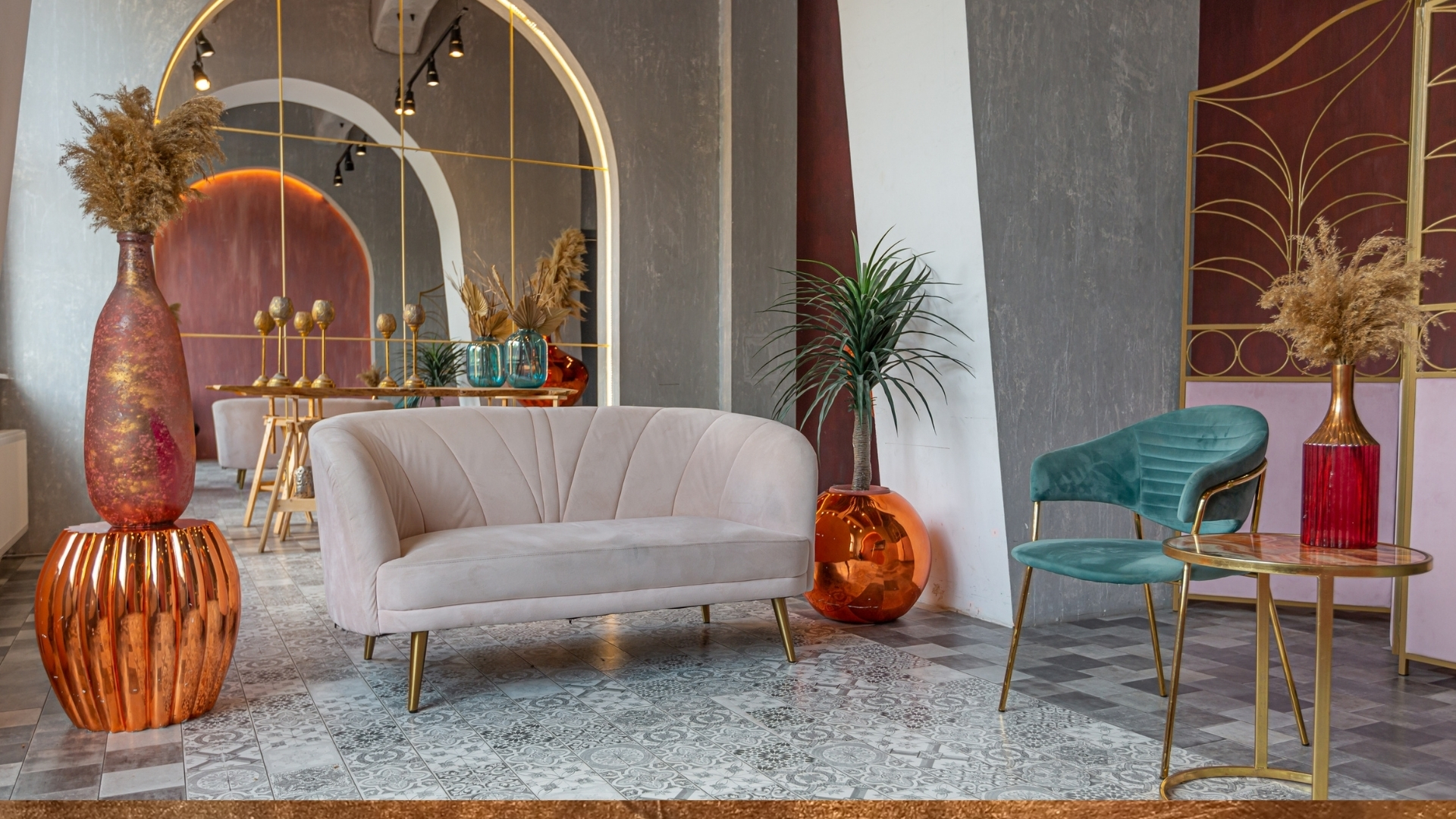
Color is a powerful tool in interior design, influencing the ambiance, mood, and overall aesthetic of spaces. As the seasons change, so do the trending color palettes, bringing fresh energy and inspiration to our spaces. This summer, vibrant and dynamic hues take center stage, offering a fresh boldness in commercial environments that we have not seen for years. In this blog post, AMBI delves into the color trends for summer interior design, exploring Pantone’s summer 2024 color palette, insights from New York Fashion Week (NYFW) Spring 2024, and practical applications for these trends.

Pantone’s Summer 2024 Color Palette

Pantone, the global authority on color, has forecasted a vibrant and diverse color palette for summer 2024. This year’s selection is heavily influenced by the themes and trends observed during the 2024 Fashion Week, reflecting a blend of bold, expressive shades and softer, more calming tones. According to Pantone’s Color Trend Report, standout colors include “Cayenne,” a spicy red-orange, “Beetroot Purple,” a bold magenta, “Elemental Blue,” a serene mid-tone blue, and “Pampas,” a soft beige.

Leatrice Eiseman, Executive Director of the Pantone Color Institute, highlights these colors’ emotional and artistic significance, noting how they evoke a sense of renewal and vitality, perfectly capturing the spirit of summer. These colors create visually stunning interiors and promote a positive and uplifting atmosphere, essential for summer living.

Color Trends from New York Fashion Week (NYFW) Spring 2024

This past spring’s New York Fashion Week was crucial in shaping the summer color trends for interior design. The runway showcased a vibrant mix of familiar shades infused with a contemporary edge, highlighting the intersection of fashion and interior design. Notable colors included rich browns, dynamic reds, and shades of blue and green, all of which have translated seamlessly into interior design trends.

Eiseman’s commentary on the NYFW color palette emphasizes its emotional depth and artistic resonance. She describes the palette as a “reflection of the collective desire for escapism and creative expression,” underscoring the role of color in evoking specific moods and emotions. The infusion of contemporary elements into traditional colors creates a dynamic and engaging aesthetic, perfect for modern interiors.

Mono-Rooms

One prominent trend for 2024 is the use of mono-rooms, where a single color or tone-on-tone decor elevates interior spaces. This approach creates a cohesive and sophisticated look, allowing for the exploration of different shades and textures within the same color family. “Mono-rooms” are particularly effective in creating a serene and harmonious environment, making them ideal for lounges, break rooms, and modern lobbies.

Using a single color palette throughout a room can make it appear larger and more unified. For example, a room decorated in various shades of blue and white can evoke a calming and refreshing atmosphere, perfect for warm-weathered coastal spaces — such as an elegant apartment building in Miami, Florida. Pairing different textures, such as a velvet sofa with linen curtains and a silk rug, adds depth and visual interest without overwhelming the senses.

Fashion Colors as Interior Colors

The crossover between fashion trends and interior design is more evident than ever, with colors like brown and red significantly impacting interior decor. Rich browns, reminiscent of earthy tones and natural materials, bring warmth and grounding to interior spaces. These shades work well in creating cozy, inviting environments, such as intimate restaurants, secluded spa rooms, and relaxing hotel suites.

Dynamic colors, on the other hand, add energy and vibrancy to any space. Whether used as an accent wall, in furniture, or through decorative accessories, bold and saturated hues can stimulate conversation and creativity. Combining these energized colors with neutral tones can visually balance its intensity. In commercial spaces, we often see this by incorporating bold art or pops of color in decor accents for opportunities to weave in vibrant hues.

Mixing Textures

This year’s trend of mixing varied textures is all about bringing dimension and visual interest to interiors. Combining different materials and finishes, such as metal, wood, and fabric, can create a layered and dynamic aesthetic. For example, pairing a sleek, modern metal coffee table with wooden decor accents and texturized upholstered chairs can create a balanced and multi-dimensional look.

Textural contrast is not only visually appealing but also adds tactile interest, making spaces feel more engaging and comfortable. This approach works well in any room and can be easily adapted to suit different styles and preferences.

Silver Accents

Silver is emerging as a leading accent color for interiors in 2024, adding a touch of elegance, sleekness, and sophistication to any space. Silver accents can enhance the overall aesthetic and create a luxurious feel, whether used in light fixtures, decorative accessories, or furniture.

Incorporating silver into your commercial spaces’ decor can be as simple as adding a few metallic throw pillows, a statement mirror, or silver-framed artwork. This versatile color pairs well with a variety of other hues, from bold, vibrant shades to soft, neutral tones, making it easy to integrate into any interior design vision.

Conclusion

The 2024 color trends offer a diverse and exciting palette that can transform any interior into an inspiring space. From the vibrant hues of Pantone’s summer 2024 color palette to the dynamic trends revealed at New York Fashion Week, these colors and design elements provide endless possibilities for self-expression.

Staying updated on color trends is essential for creating a contemporary and inviting environment. Whether you prefer the cohesive look of mono-rooms, the bold statement of fashion colors in commercial decor, the depth and dimension of mixed textures, or the elegance of silver accents, there are plenty of ways to incorporate these trends into your interior design.

As you experiment with different colors and textures, remember to personalize a space and make it a reflection of your brand’s unique style and personality.

AMBI Signs Planterra—A National Leader in Commercial Plant Specification

Detroit-based Planterra is a national leading provider of interior foliage and horticultural services. When an office, mall, or other commercial property wants to uplift its interior landscape, they call Planterra to breathe life into the drab with live, specifically designed plantscapes.

Those plantscapes may range from faux plants to living walls with designated irrigation systems. Their complexity and scale are adapted to every client’s needs, elevating mundane environments with color and life. Like AMBI, they have a particularly human-centric focus, creating solutions that enhance the user experience with sustainable design.

AMBI & Planterra

AMBI & Planterra share common ground—in that we both provide niche services with exceptional amounts of expertise and experience to back them up. Both of our companies provide powerful services that elevate the built environment industry as a whole, fueling its innovation in underappreciated and underutilized areas.

Both marketing and plantscaping appear to fall on the periphery of the built environment, but it is clear that when given the opportunity and resources—they add undeniable value. We both provide a service that no other company can replicate.

Our Future

While the specifics of our collaboration will remain confidential at the moment, AMBI and Planterra are excited to partner with one another, mutual innovators in the built environment industry. We’re thrilled for the opportunity to learn from them while sharing our own insights and experiences.

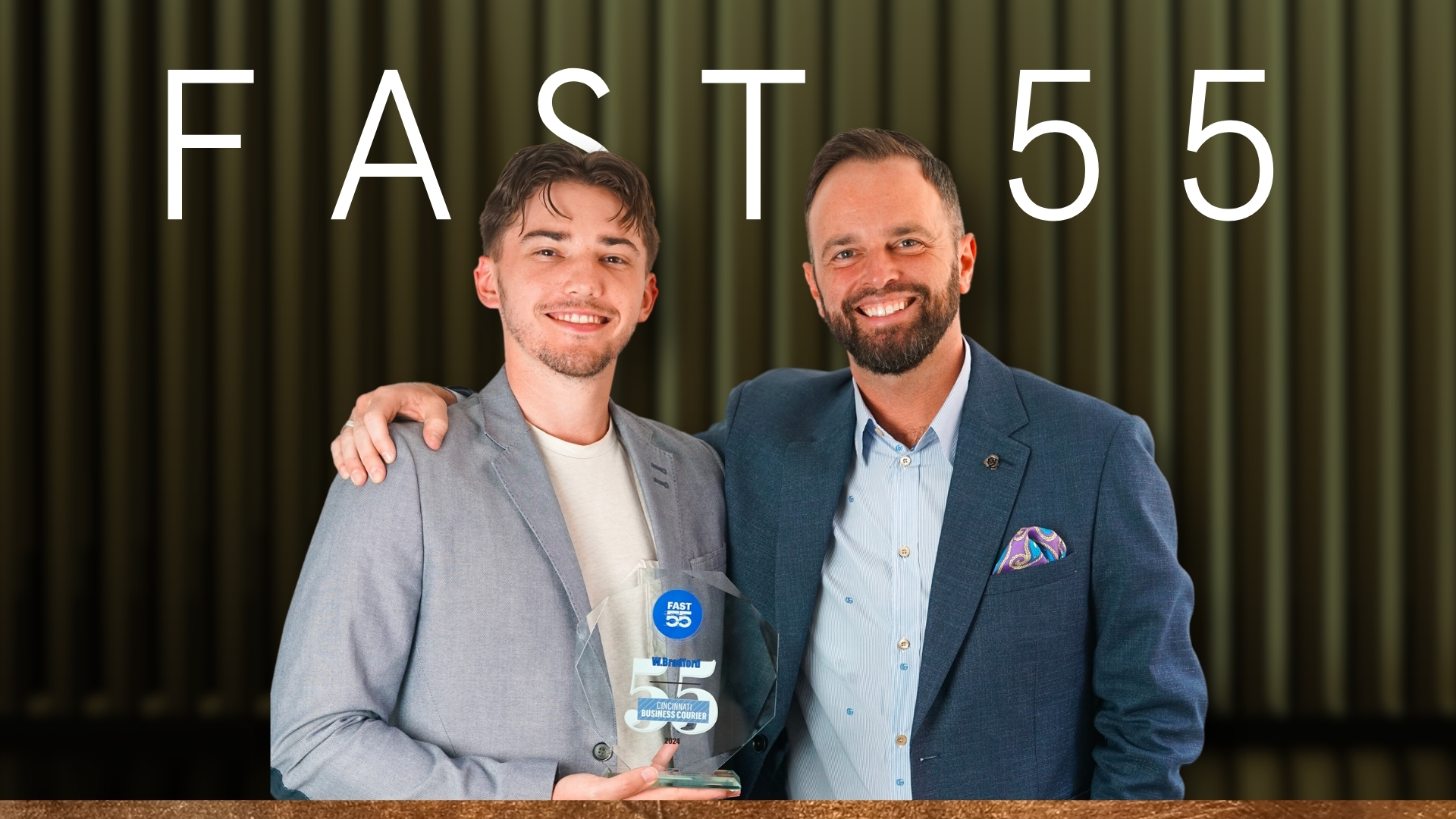
AMBI Parent Company W.Bradford Named Among 55 Fastest-Growing Cincinnati Companies

AMBI’s parent company, W.Bradford, was named among the 55 fastest-growing companies in Cincinnati, a highly coveted honor and proof of work worth producing. That award originated from years of deliberate and thoughtful creative work—stemming from incredibly technical and intelligent clients.

Following AMBI’s formation, W.Bradford’s former built environment clients made the jump to AMBI. Created by the same active and powerful minds as W.Bradford, AMBI is now the product of years of experience in the built environment. While W.Bradford built to a slow crescendo, AMBI began as a product of experience and knowledge for the built environment, cultivated over years of work.

What This Means for AMBI

While AMBI and W.Bradford are separate agencies, they have the same foundation. AMBI is led by the same team behind W.Bradford, meaning it has begun with lead. It started with more team members’ experience and knowledge in our departments. The six years of built environment nurtured by W.Bradford did not disappear during AMBI’s formation. That knowledge is accelerating exponentially.

AMBI has learned from W.Bradford’s example, avoiding early mistakes and thriving since its inception in February of 2024. By leveraging those years of experience, AMBI is accelerating even faster than W.Bradford.

AMBI’s Accelerated Start & Future

AMBI is perfectly positioned in our industry, bringing years of experience in niche, technical markets that other agencies can’t replicate. AMBI’s parent company, W.Bradford, being named among 55 fastest-growing Cincinnati companies is proof of that. Our insight garnered from years under the W.Bradford umbrella allows us to provide stunning creative work in industries typically devoid of creative risk-taking in thier marketing. \

From the seed of W.Bradford’s excellence, AMBI sprouts up as a beautiful bouquet, reaching amazing milestones in half the time with work beyond all expectations.

Give your built environment brand the attention it demands with AMBI.

SPARK. SHAPE. SCALE
Let's Go

Let’s Get Started

Ready for an all-in partner with the talent, skills, and guts to take you to the next level? Share information below, and we’ll be in touch soon.