September Only: $5,000 Startup Brand Identity Package [start here]

CONTACT

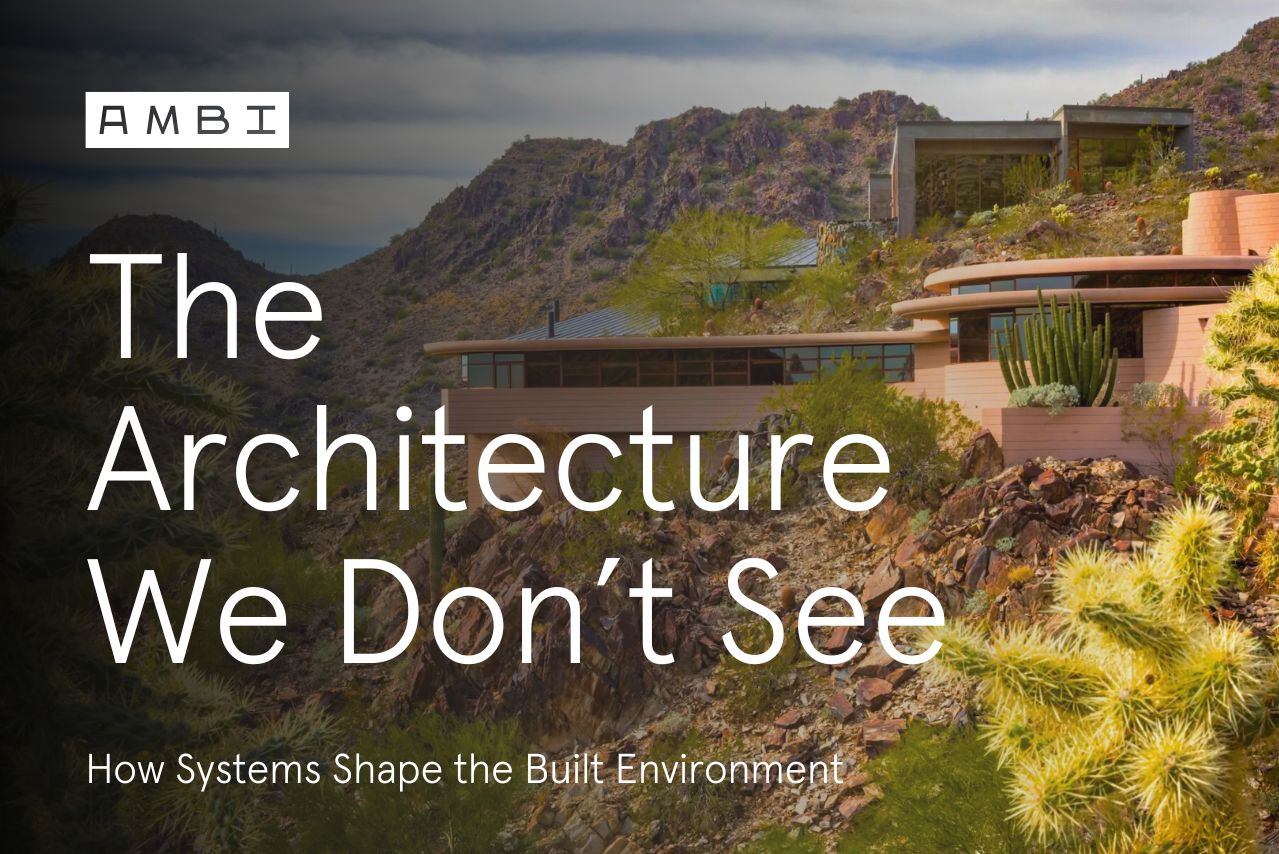
The Architecture We Don’t See: How Systems Shape the Built Environment

Architectural styles are iconic. From the romanticism of Gothic cathedrals to the clean geometry of Modernism, design movements shape how we experience the world—from cathedrals to classrooms to co-working spaces.

But while most guides focus on the aesthetic—columns, facades, ornamentation—we believe there’s a deeper story worth telling: the invisible systems that support these styles, and how they perform in today’s built environment.

At AMBI, we’re focused on what’s beneath the surface. Because the style of a building may capture attention—but the systems inside determine how it feels, functions, and sustains life over time.

Style is What You See. Performance is What You Experience.

Let’s take a few iconic architectural styles and look at them through a new lens: not just what they look like, but how they live.

Gothic Revival

Then: Soaring arches, stained glass, dramatic scale.

Now: In many retrofitted Gothic structures, HVAC systems, lighting retrofits, and air quality monitoring must be discreetly integrated into centuries-old buildings.

AMBI’s Take: Historic preservation is a systems challenge as much as a visual one. Success lies in performance upgrades that don’t compromise architectural integrity.

Mid-Century Modern

Then: Open floor plans, natural materials, indoor-outdoor living.

Now: These buildings were ahead of their time but can underperform when it comes to insulation, ventilation, and energy efficiency.

AMBI’s Take: A modernized mid-century structure should reflect today’s standards of thermal comfort, daylighting metrics, and energy data—not just nostalgia.

Brutalism

Then: Raw concrete, exposed structure, unapologetic minimalism.

Now: Often misunderstood, Brutalist buildings present challenges in occupant comfort, acoustics, and energy usage.

AMBI’s Take: Brutalism can thrive in the 21st century with system upgrades that prioritize human wellness—without smoothing over its character.

Designing for Today—Without Losing Sight of Yesterday

Great architecture doesn’t live in a vacuum. It breathes, evolves, and is expected to perform better over time.

Whether you’re working within a historic style or designing something new, the question is the same: Do the systems behind the walls match the aspirations of the design?

At AMBI, we partner with design teams to bridge that gap. We help translate timeless aesthetics into buildings that meet today’s standards—energy codes, wellness certifications, transparency expectations, and performance benchmarks.

AMBI’s Approach: Style + Substance

Because architecture isn’t just about what we see. It’s about how we feel, move, breathe, and thrive within it. Our mission at AMBI is to tap into this agile side of design and help your brand shine best.

Interested In Refining Your Brand’s Expression?
Tell us about how we can help your brand grow.

Why Gen Z Is Drinking Their Identity—Not Just a Beverage

In 2025, Gen Z isn’t just choosing what to drink—they’re choosing who to be. The surge in popularity of prebiotic sodas like Olipop and Poppi isn’t just about fizz or fiber. It’s about identity. It’s about belonging. It’s about choosing a product that says, “I care about my body, the planet, and how I show up in the world.” At W.Bradford, we don’t see these as soda trends—we see them as signals. Because when brands become personal, emotional, and lifestyle-driven, the marketing game shifts from awareness to alignment. And Gen Z is setting the tone.

The Sober Curious Shift: A New Kind of Social Status

Gen Z is leading the “sober curious” movement, favoring mindful consumption over escapism. According to a 2024 NCSolutions study, 61% of Gen Z plan to reduce their alcohol intake—a 53% jump from the previous year (source).

Prebiotic sodas have emerged as a way to opt into wellness without sacrificing social cues. They’re functional, fun, and most importantly, they mean something.

These cultural cues are what we decode and design around. Our brand strategy work helps clients find their place in the conversation—and in the lifestyle choices of their audience.

Branding That Speaks Gen Z

Olipop’s nostalgic flavors and Poppi’s bold influencer campaigns aren’t just smart marketing—they’re emotional architecture. They’ve turned soda into a status symbol, rooted in health-conscious habits and a curated aesthetic.

  • Olipop leans into storytelling: flavors that call back to childhood, visual cues that suggest simplicity and science (NoGood breakdown).
  • Poppi taps social clout: TikTok virality, UGC, and hyper-targeted FOMO moments (Adweek analysis).

Branding is no longer about product-first messaging. It’s about experience-first ecosystems. We help brands build intentional identities that live where their audience lives—from fridge doors to For You Pages.

What Brands Can Learn

Prebiotic sodas offer a case study in modern brand building: blending emotion, aspiration, and authenticity.

If you’re trying to connect with Gen Z (or any culturally attuned consumer), the takeaway is clear:

  1. Sell values, not features.
  2. Design for emotional utility, not just function.
  3. Create experiences that feel like inside jokes, not broad broadcasts.

We call this emotional design. And it’s how we help our clients shift from selling products to building presence.

Your Brand. Their Lifestyle.

At W.Bradford, we help brands figure out what they mean—and how that meaning shows up in a rapidly evolving world.

Whether you’re launching a new product or refreshing your brand for a Gen Z audience, we help you design for relevance, resonance, and ROI. Because in today’s market, alignment is influence.

Let’s make your brand something people feel good about reaching for.

When to Rebrand: A Practical Checklist for Founders and CMOs

How to know it’s time to evolve your identity—before the market decides for you. Let’s be honest: no one wakes up and wants to rebrand. It’s not a quick logo swap. It’s a deep dive. A gut check. A sometimes messy middle that requires clarity, conviction, and collaboration. But sometimes, the decision to rebrand isn’t a dramatic overhaul—it’s a practical necessity. One rooted in growth, evolution, or a new direction. So, how do you know if it’s time? Whether you’re a founder with a gut feeling or a CMO facing quarterly pivots, here’s a strategic checklist to help you assess whether your brand identity is still doing the job it was designed to do—or if it’s time for something new.

1. You’ve Outgrown Your Origin Story

You launched with a scrappy mission, a strong logo, and a website built in a weekend. But now, you’re scaling. Your team has changed. Your product suite is smarter. Your audience has grown up—and so have you.

Ask yourself:

  • Does our current identity reflect who we are today?
  • Are we still telling the same story we were when we started?
  • Are customers getting the wrong idea about our size, category, or offering?

If the answer is yes, your brand might be holding you back instead of helping you grow.

Explore how we help brands evolve their story.

2. Your Brand Doesn’t Feel Differentiated Anymore

You might’ve been first in your category—or at least loud enough to stand out. But competitors have caught up and copied your playbook, and now everyone looks… the same.

Signs to look for:

  • Prospects confuse you with a competitor.
  • Your visual identity doesn’t stand out in the scroll.
  • Your tone, messaging, or mission could belong to any brand in your space.

Brand differentiation is about owning a lane—and if you’ve lost your edge, it’s time to sharpen the tools.

See how we craft bold, unmistakable identities.

3. Your Audience Has Shifted

Maybe you started DTC and are now selling wholesale. Maybe you’re moving upstream from small business to enterprise. Maybe Gen Z is finally engaging with your brand, and you’re still speaking in Millennial.

Audience misalignment sounds like:

  • “We’re getting leads, but not the right ones.”
  • “Our customers don’t understand our full offering.”
  • “We’re attracting the wrong people to our content.”

Rebranding helps you reposition for the audience you want—not just the one you already have.

Let’s align your brand with your future audience.

4. Internal Teams Are Creating Workarounds

One of the clearest signals it’s time to rebrand? Your own team is bending the brand to make it work.

Red flags include:

  • Sales decks all look different
  • Designers and marketers are constantly “tweaking” brand elements
  • New hires are confused about what your brand stands for

Your brand should be a toolkit that enables growth—not a set of outdated constraints people try to work around.

Read our approach to building usable brand systems.

5. There’s a New Vision, Offering, or Strategy

You’re entering new markets. You’ve launched a new product. You’ve pivoted to a new value prop. The bones of your business have changed—and your brand hasn’t caught up.

Rebranding at this stage can:

  • Set the tone for a new chapter
  • Build internal alignment and excitement
  • Signal evolution to your audience

Think of your brand like a lighthouse—it should always shine light on where you’re headed next.

Here’s how we help brands signal what’s next.

6. You’re Embarrassed to Send People to Your Website

We’ve all been there. You meet someone at a conference, have a great chat, and then… you hope they don’t look up your site.

If your brand no longer reflects your quality, creativity, or maturity, then that’s the loudest sign of all.

Let us help you build a site you’re proud to share.

So, Is It Time?

Rebranding isn’t about changing who you are. It’s about getting back to the core of your identity—and then amplifying it with precision, intention, and clarity.

At W.Bradford, we work with brands that are ready for that next chapter. Whether it’s a full identity transformation or a thoughtful refresh, we build from strategy, not trend. Because the best brands aren’t just beautiful. They’re built to last.

Schedule a brand consult with our team.

Why Transparency in the Supply Chain Is the Future of the Built Environment

The materials and systems that shape our built environment don’t exist in a vacuum. Every component—every fixture, panel, finish, or system—is part of a larger story about origin, intention, and impact. As a brand and marketing partner to manufacturers, fabricators, and innovators across the built environment, AMBI is seeing a powerful shift ripple across our clients’ industries: transparency is no longer a differentiator. It’s a mandate.

This expectation isn’t limited to sustainability leads or compliance managers. Today, marketing teams, sales leaders, product developers, and C-suite executives are being called on to clearly articulate what’s in their products, how they’re made, and why it matters—to people and the planet.

It’s a new era of brand accountability. And we’re here to help our clients own it.

The Growing Market Demand for Supply Chain Clarity

Whether you’re producing lighting, furniture, HVAC systems, or acoustics solutions, the bar for supply chain visibility has been raised. According to the 2023 World Green Building Trends Report, over 61% of AEC professionals now prioritize transparent material sourcing when selecting partners or products. In other words: your ability to show what’s behind your offering is starting to influence whether you get specified at all.

This is where certifications like Declare come into play. Developed by the International Living Future Institute, the Declare label functions like a nutrition facts panel for building materials—listing ingredients, sourcing, and end-of-life pathways. It supports compliance with high-impact frameworks like LEED, WELL, and the Living Building Challenge, and is becoming a go-to resource for specifiers seeking verified, Red List-compliant solutions.

For AMBI’s clients, this means that how you tell your product story matters just as much as the data itself. Clear communication, visually engaging breakdowns, and well-branded transparency reports can make the difference between getting considered—or overlooked.

What This Means for the Brands Building the Future

Transparency in the built environment isn’t just about compliance—it’s about positioning. It allows brands to differentiate not only by what they make, but by how they operate. As environmental, social, and governance (ESG) concerns take center stage, brands that can prove their impact—and articulate it in plain language—will win greater trust with architects, designers, and end users.

That’s why AMBI partners with clients to bridge the gap between technical documentation and market storytelling. We help turn complex information—like material health disclosures, embodied carbon stats, or supply chain traceability—into brand assets. Whether it’s content for a website, a sustainability brochure, or a CEU presentation, our goal is to make transparency not just digestible, but compelling.

We’ve also seen firsthand how platforms like Mindful Materials and Ecomedes are reshaping how buyers search and evaluate building products. Your brand’s presence (or absence) on these platforms—and how your transparency data is presented—can directly affect market perception and project participation.

Future-Proofing Brands Through Strategic Transparency

The future of building product marketing won’t be about vague claims like “eco-friendly” or “green.” It will be about specificity, traceability, and integrity—backed by data and delivered with clarity.

From product development to brand messaging, AMBI helps manufacturers prepare for this reality. Because the ability to articulate your values, demonstrate your practices, and invite trust isn’t just good storytelling—it’s good business.

The built environment is changing. And the brands who lead will be the ones who don’t just make better products—but communicate them better, too.

Want to make transparency a core part of your brand story?

Let’s talk. AMBI helps manufacturers and innovators across the built environment turn transparency into a competitive advantage—through certification strategy, sustainability storytelling, and clarity-focused design.

Why Strategic Substance Matters More Than Aesthetic in 2025

Let’s get one thing straight: having a vibe is not the same thing as having a brand. And yet, in 2025, far too many companies are confusing the two—prioritizing aesthetics over strategy, trendiness over truth, and “look” over lasting value. You’ve seen it. The soft color palettes, recycled taglines, and Gen-Z-filtered social feeds that look good in a pitch deck—but collapse under the weight of real market pressure.

At W.Bradford, we believe bold brands aren’t built on vibes alone. They’re built on clarity. On knowing what you stand for, who you’re for, and why you’re worth paying attention to. That kind of foundation can’t be mood-boarded—it has to be unearthed through smart, strategic work.

Aesthetic is important. We love good design as much as the next agency (probably more). But design without direction is decoration. What separates a flash-in-the-pan “cool brand” from a magnetic, revenue-driving brand is its core positioning—and how consistently it shows up across every touchpoint. Think of brands like Liquid Death, Glossier, or Athletic Brewing Co.. They didn’t just ride trends—they built tribes. They knew their story, lived their values, and let strategy fuel their creative.

We see a growing wave of brands launching with aesthetic-first identities and no idea what their voice sounds like, what their customer needs, or how their product is actually different. And in a world where 81% of consumers say they need to trust a brand to buy from it, that’s a risky game.

Strategic clarity isn’t a luxury—it’s a growth engine. It informs how you show up in the market, how you talk about what you offer, how you engage your audience, and how you evolve. It’s what helps you avoid having to “rebrand” every time the algorithm changes or your sales dip. And if you do evolve? Strategy is what gives you the through-line—so your audience comes with you.

At W.Bradford, we specialize in helping brands find their voice, sharpen their value, and build identities that earn attention—not just likes. Whether you’re scaling a startup, refreshing a legacy brand, or launching something new, we lead with insight, not assumption. With intention, not imitation. Our work bridges the strategic with the visual, ensuring the creative is never disconnected from the brand’s core.

If your brand’s biggest strength is its aesthetic, it’s time to ask: what happens when the vibe fades?

Ready to build a brand that lasts longer than the latest trend cycle?

Let’s talk strategy. Let’s build bold. → Contact W.Bradford

The Lost Art of B2B Marketing Planning: Why Strategy Still Reigns Supreme

In the dynamic realm of B2B marketing, the foundational practice of meticulous planning often takes a backseat amidst rapid technological advancements and the allure of the latest tools. However, as highlighted by Steven Manifold in his insightful article, “The Forgotten Art of Planning in B2B Marketing,” neglecting robust planning can lead to fragmented strategies and diminished outcomes.

The Current Landscape: Fragmented Tools and Strategies

Many B2B marketers find themselves navigating a maze of disparate tools—ranging from project management platforms to traditional spreadsheets—to document and track their marketing strategies. This fragmentation often results in challenges such as misaligned objectives, inefficient budget tracking, and inconsistent performance monitoring. A survey referenced by Manifold reveals that nearly half of B2B marketers grapple with planning spread across multiple systems, underscoring the pressing need for integrated solutions.

The Promise and Limitations of AI in Planning

Artificial Intelligence (AI) has undeniably revolutionized various facets of marketing, from automating client engagement to uncovering hidden patterns through deep analysis. However, when it comes to the foundational aspect of planning, AI’s role remains limited. While AI can enhance efficiency and provide predictive insights, it cannot replace the strategic foresight and human judgment essential for crafting comprehensive marketing plans. Therefore, integrating AI tools should complement, not replace, the core planning processes.

The Path Forward: Embracing Integrated Planning Solutions

To address these challenges, B2B marketers must prioritize the adoption of integrated planning tools that seamlessly connect various facets of marketing operations. Such platforms should facilitate:

  • Unified Documentation: Centralizing objectives, strategies, and tactics to ensure all team members are aligned and informed.
  • Real-Time Budget Tracking: Providing up-to-date financial insights to enable agile decision-making and resource allocation.
  • Performance Monitoring: Offering dashboards and analytics that reflect real-time results, allowing for timely adjustments and optimizations.

Conclusion: Reinvigorating the Art of Planning

In the pursuit of innovation and efficiency, B2B marketers must not overlook the enduring value of meticulous planning. By embracing integrated solutions and acknowledging the irreplaceable role of strategic foresight, organizations can navigate the complexities of modern marketing with confidence and clarity.

At W.Bradford, we recognize the critical importance of robust planning in driving marketing success. Our commitment lies in blending strategic insight with cutting-edge tools to craft campaigns that not only resonate but also deliver measurable results.

SPARK. SHAPE. SCALE
Let's Go

Let’s Get Started

Ready for an all-in partner with the talent, skills, and guts to take you to the next level? Share information below, and we’ll be in touch soon.