September Only: $5,000 Startup Brand Identity Package [start here]

CONTACT

Designing for Everyone: How Inclusive Architecture Inspires Better Business Practices

In today’s rapidly evolving business landscape, the principles of inclusive architecture—designing spaces that cater to the diverse needs of all individuals—offer valuable insights for organizations aiming to create more equitable and efficient environments. By embracing inclusivity in both physical and operational structures, businesses can enhance employee well-being, foster innovation, and drive sustainable growth.

Understanding Inclusive Architecture

Inclusive architecture transcends the mere addition of accessibility features; it embodies a comprehensive approach to design that considers the varied experiences and requirements of all users. This philosophy challenges traditional norms, advocating for environments that empower historically marginalized groups and promote universal accessibility. As highlighted in a recent article by Wallpaper*, inclusive architecture spans a broad spectrum, from the invention of the modern kitchen to reimagining educational spaces, all aimed at supporting the well-being of diverse populations. 

Applying Inclusivity to Organizational Structures

Drawing parallels from architectural practices, organizations can integrate inclusivity into their operational frameworks through several key strategies:

  1. Diverse Leadership and Representation: Ensuring leadership teams reflect a range of backgrounds and perspectives fosters a culture of inclusivity. This diversity can lead to more innovative decision-making and a deeper understanding of various stakeholder needs.
  2. Flexible Work Environments: Designing adaptable workspaces that accommodate different work styles and accessibility requirements can enhance productivity and employee satisfaction. This includes considerations for physical accessibility, sensory sensitivities, and collaborative spaces.
  3. Inclusive Policies and Practices: Implementing policies that support work-life balance, mental health, and equitable opportunities ensures that all employees feel valued and supported. Regular training on unconscious bias and cultural competence can further reinforce an inclusive workplace culture.

The Role of Data in Promoting Inclusivity

Leveraging data-driven insights is crucial in identifying gaps and measuring progress in inclusivity efforts. By collecting and analyzing data on employee engagement, representation, and satisfaction, organizations can pinpoint areas for improvement and track the effectiveness of implemented strategies. This empirical approach enables continuous refinement of policies and practices to better serve all employees.

A Model for Inclusive Design in Action

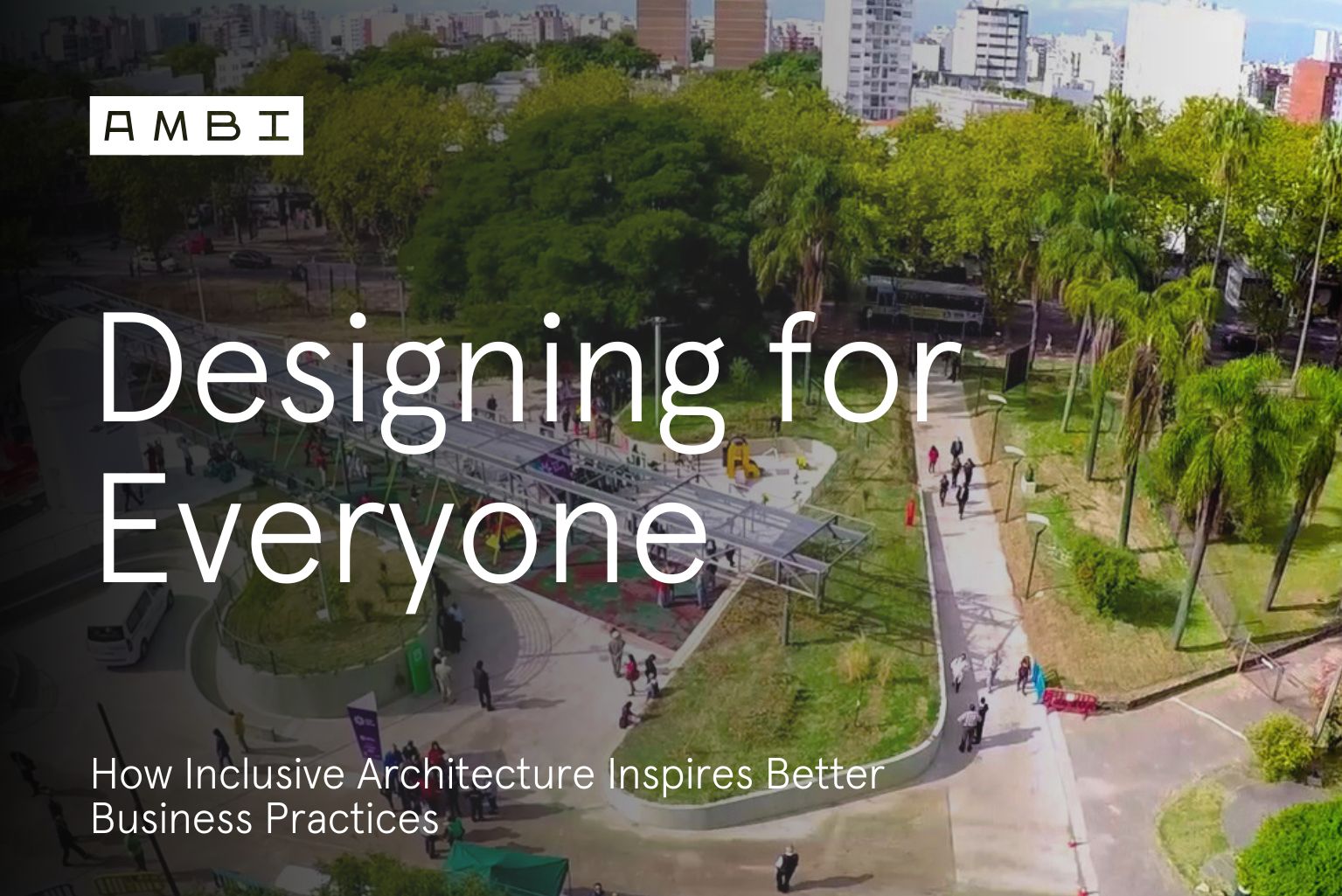
A notable example of inclusive architecture is the Friendship Park in Montevideo, Uruguay. Designed by Marcelo Roux, Gastón Cuna, Patricia Roland, and Federico Lezama, this park is thoughtfully crafted to be accessible and enjoyable for children of all abilities. Features such as swings accommodating wheelchairs, wide walkways, curved corners, and cushioned, slip-resistant flooring ensure safety and ease of use. These design elements not only make the space safe but also easy to use, fostering an environment where all children can play together without barriers. 

By integrating such inclusive design principles, Friendship Park exemplifies how thoughtful architectural planning can create spaces that promote equity, accessibility, and community engagement.

Conclusion

Embracing the principles of inclusive architecture within organizational structures is not merely a moral imperative but a strategic advantage. By fostering environments that recognize and accommodate diverse needs, businesses can unlock the full potential of their workforce, drive innovation, and achieve sustainable success.

At AMBI, we are committed to integrating inclusivity into our core operations, ensuring that our solutions and workplace culture reflect the diverse world we serve.
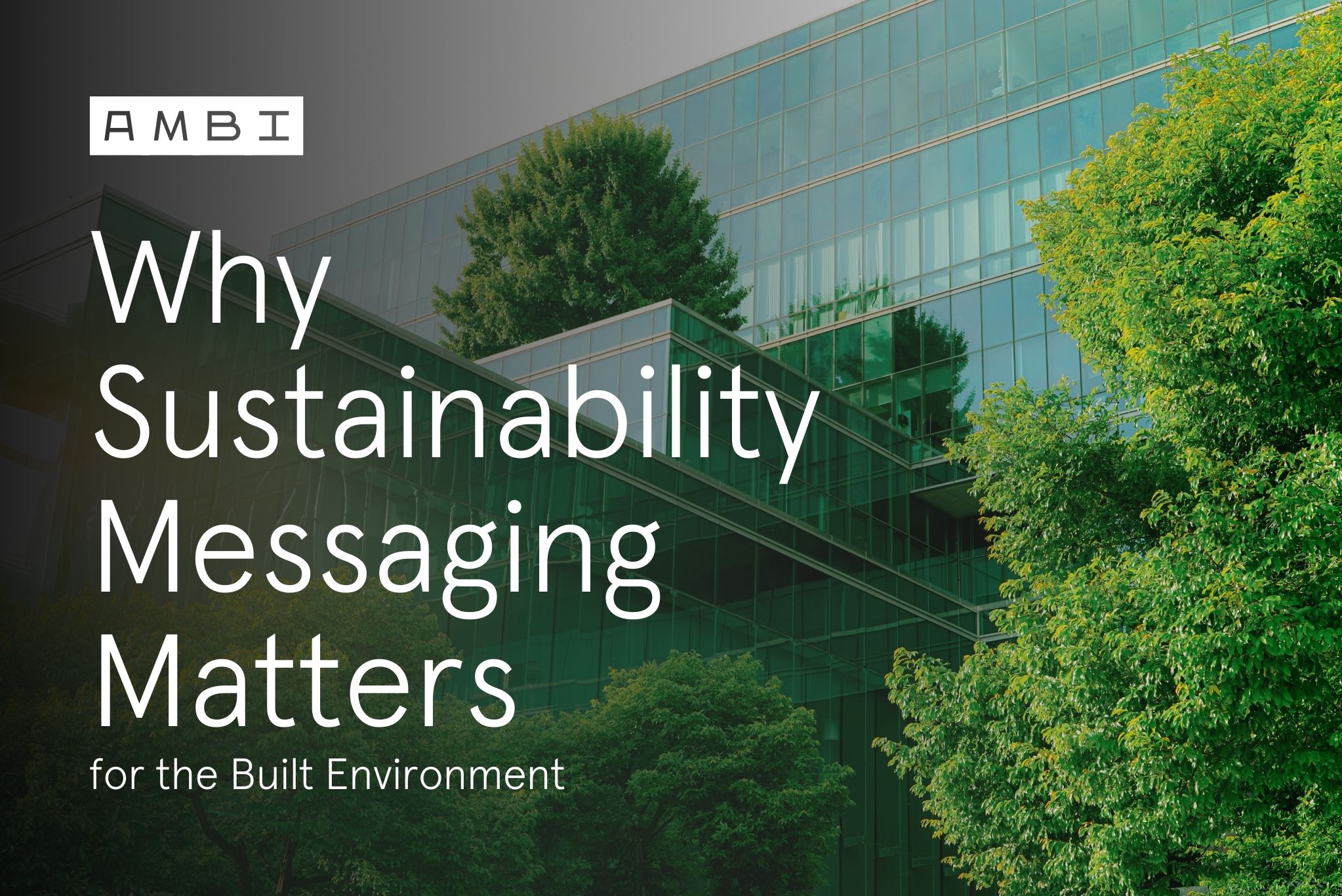
Why Sustainability Messaging Matters for the Built Environment | AMBI Insights

In today’s environmentally conscious market, sustainability has transitioned from a mere buzzword to a fundamental aspect of business strategy, especially within the built environment. For sectors such as architecture, building services, materials, and illumination, effectively communicating sustainable practices is not only a regulatory necessity but also a powerful tool for brand differentiation and market leadership.

The Growing Demand for Sustainable Practices

The construction and operation of buildings significantly impact the environment, contributing to approximately 40% of global carbon emissions. This statistic underscores the urgent need for sustainable practices in the industry. Clients and stakeholders are increasingly prioritizing eco-friendly solutions, making sustainability a key criterion in decision-making processes. As noted by the Chartered Institute of Building (CIOB), integrating sustainability into the built environment is essential for addressing core environmental and social issues.

Enhancing Brand Reputation Through Sustainability

Embracing and transparently communicating sustainable practices can significantly enhance a company’s reputation. Businesses that prioritize sustainability are often viewed as forward-thinking and socially responsible, attributes that resonate with modern consumers and partners. For instance, SPACE, Inc., a workplace design firm, has demonstrated its commitment to sustainability by focusing on reutilizing office furniture to minimize environmental impact, thereby strengthening its brand image.

Effective Sustainability Messaging Strategies

To convey sustainability effectively:

  • Authenticity is Key: Ensure that all claims about sustainable practices are accurate and verifiable to build trust with your audience.
  • Highlight Tangible Benefits: Communicate how your sustainable practices not only benefit the environment but also add value to clients, such as through cost savings or improved health outcomes.
  • Engage Through Storytelling: Share success stories and case studies that illustrate your commitment to sustainability in real-world applications.

The Business Case for Sustainability

Beyond ethical considerations, sustainability offers tangible business benefits. Companies adopting green building practices often experience reduced operational costs and increased asset value. Moreover, as regulatory frameworks become more stringent, early adoption of sustainable practices can provide a competitive advantage. The British Standards Institution (BSI) emphasizes that addressing environmental and social issues is essential for creating a sustainable built environment that benefits everyone.

Conclusion

Incorporating sustainability into your business model and effectively communicating these efforts is no longer optional in the built environment sectors. It is a strategic imperative that can drive growth, foster trust, and ensure long-term success.

Ready to Elevate Your Sustainability Messaging?

At AMBI, we specialize in crafting compelling sustainability narratives that resonate with your target audience. Our expertise in the built environment enables us to highlight your eco-friendly initiatives authentically and effectively.

Let’s work together to showcase your commitment to a greener future. Contact AMBI today to start enhancing your sustainability messaging. Together, we can build a more sustainable world.

Creative That Converts: The Art and Science of High-Performing Campaigns | W.Bradford Insights

What makes marketing creative truly effective? Is it the visual appeal, the messaging, or the strategy behind it? The answer lies in the intersection of art and science. While compelling visuals and storytelling draw audiences in, data-driven decision-making ensures that creative assets drive measurable results. Let’s explore the key principles of crafting high-performing campaigns that convert.

The Power of Visual Storytelling

Humans process visuals 60,000 times faster than text, making compelling imagery a cornerstone of high-performing campaigns. But not all visuals are created equal. Research shows that campaigns featuring human-centric imagery and authentic brand narratives outperform stock-heavy content. Learn more about visual marketing trends.

Data-Backed Personalization

Consumers expect personalized experiences, and generic creative no longer cuts it. A recent study found that personalized campaigns deliver 5-8x higher ROI than non-personalized efforts. Leveraging AI-driven insights, brands can create adaptive content tailored to audience segments, ensuring relevancy and engagement. Explore the power of AI in marketing.

The Science Behind Color and Design

Color psychology plays a significant role in consumer decision-making. Studies indicate that 90% of snap judgments about a brand are based on color alone. Meanwhile, clean layouts, ample white space, and strategic typography contribute to higher engagement rates. Discover the latest design principles for digital marketing.

Emotion-Driven Messaging That Resonates

Marketing that taps into emotions drives action. Whether it’s nostalgia, excitement, or a sense of urgency, campaigns that evoke feelings tend to perform better. Emotional advertising is proven to increase customer loyalty and conversion rates, with 70% of consumers making purchases based on emotional connection. Read more about the psychology of persuasive marketing.

Testing and Optimization for Maximum Impact

Even the most creative campaigns require continuous testing to maximize performance. A/B testing different headlines, visuals, and CTAs can improve conversion rates by up to 300%. Real-time analytics help marketers refine their creative approach, ensuring that each asset contributes to overall campaign success. Get insights on A/B testing best practices.

Ready to Elevate Your Creative Strategy?

At W.Bradford, we bridge the gap between creativity and data to craft high-performing marketing campaigns that captivate and convert. Whether you need visually stunning content, AI-driven personalization, or strategic A/B testing, our team is here to elevate your brand’s creative impact.

Let’s create campaigns that don’t just look great—but drive real results. Contact W.Bradford today to start building your next high-performing campaign.

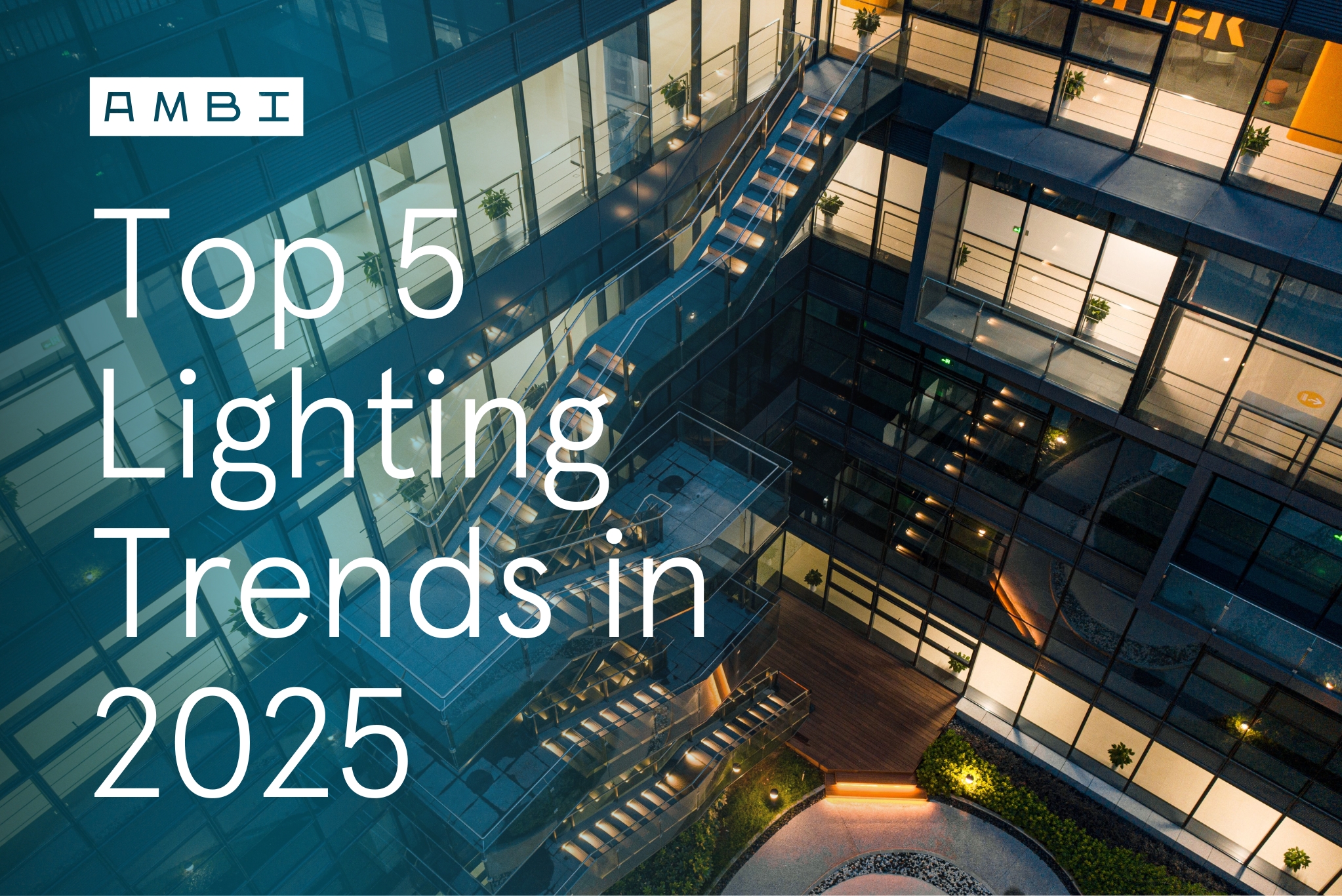
Top 5 Lighting Trends in 2025

As we progress through 2025, the lighting industry is experiencing significant transformations driven by technological advancements, sustainability initiatives, and evolving design philosophies. 

At AMBI, we are committed to staying at the forefront of these developments to offer innovative solutions to our clients.

1. Decline in Traditional Lighting Publications

The industry has observed a consolidation of lighting trade publications, with notable closures and mergers. 

A notable example of the decline in traditional lighting publications is the closure of LEDs Magazine. After a 20-year run as a leading voice in the LED technology and lighting industries, LEDs Magazine announced it would cease operations on December 16, 2024. This decision marked the end of a pioneering era in lighting and technology trade journalism, reflecting broader shifts in the industry’s media landscape.

This shift underscores the importance of digital platforms and diversified media strategies in disseminating information and staying informed about industry trends. 

2. Expansion of Wildlife-Friendly Lighting

There is a growing emphasis on developing lighting solutions that minimize ecological impact. Initiatives such as sealife-safe lighting are expanding to various outdoor applications, reflecting a broader commitment to environmental stewardship. 

The expansion of wildlife-friendly lighting reflects a growing commitment to minimizing ecological impacts and preserving natural behaviors of nocturnal species. A pertinent example is the initiative in Kaikōura, New Zealand, where efforts have been made to protect the native Hutton’s shearwater seabirds. The Kaikōura District Council modified street lighting to reduce risks to these birds, leading to the designation of the area as an International Dark Sky Sanctuary in 2024.

3. Rising Awareness of Dark Sky Initiatives

Efforts to combat light pollution are gaining momentum across municipalities and industries. The increase in dark sky sanctuaries and the development of residential dark sky luminaires highlight a collective move towards preserving our night skies. 

A significant development in this area is the DoD Dark Sky Stewardship Act proposed in the U.S. House of Representatives. This legislation aims to study and reduce light pollution caused by Department of Defense installations, highlighting the government’s role in preserving night skies.  

4. Addressing Workforce Demographics and Labor Shortages

The aging workforce and a shift in employment preferences among younger professionals are leading to talent shortages in various sectors, including lighting.

The commercial lighting industry is currently grappling with significant labor shortages, particularly among mid-level professionals with 5 to 10 years of experience. A survey conducted by Egret Consulting revealed that 80% of respondents identified this experience bracket as the most affected. 

This trend necessitates increased reliance on contractors, the adoption of automation, and the design of products that simplify installation and maintenance. 

5. Embracing Circular Economy Principles in Luminaire Design

There is a heightened focus on the lifecycle of lighting products, with initiatives aimed at enhancing sustainability through design for disassembly and the use of recyclable materials. Innovations such as 3D-printed luminaires using recycled materials exemplify this commitment to circularity. 

Cooper Lighting Solutions exemplifies the adoption of circular economy principles in luminaire design through their PrentaLux line of 3D-printed lighting products. PrentaLux luminaires are manufactured using at least 65% recycled or bio-circular plastics, such as materials derived from tall oil in the wood processing industry and used cooking oil from the food industry. These materials are ISCC Plus certified, ensuring sustainable sourcing. 

At AMBI, we are dedicated to integrating these trends into our practices, ensuring that our solutions are not only innovative but also aligned with the evolving needs of our clients and the environment.

Top Creative Marketing Trends for 2025 | W.Bradford Insights

In the ever-evolving landscape of marketing, staying ahead of the curve is essential for brands aiming to remain relevant and engaging. As we delve into 2025, several creative trends are shaping the industry, offering innovative ways to connect with audiences. Building upon insights from industry leaders, let’s explore the top creative marketing trends of 2025.

1. The Rise of ‘Vibes’ Over Micro-Trends

The era of fleeting micro-trends is giving way to broader, more enduring ‘vibes’ that encapsulate lifestyles and emotions. Unlike specific aesthetics, vibes represent comprehensive cultural movements. For instance, the ‘Brat summer’ movement from summer 2024 blends music, fashion, and attitude into a relatable ethos, reflecting a shift towards meaningful, community-oriented expressions of identity. 

💡Actionable Insight: Brands should focus on creating campaigns that resonate with these overarching vibes, fostering genuine connections and community engagement.
2. Hyper-Personalization Through AI

Artificial Intelligence (AI) continues to revolutionize marketing by enabling hyper-personalization. AI analyzes vast amounts of data to deliver tailored content and experiences to consumers. This approach enhances customer engagement and loyalty by making interactions more relevant. 

💡Actionable Insight: Implement AI-driven tools to analyze consumer behavior and preferences, allowing for the creation of personalized marketing strategies that cater to individual needs.

The Emergence of Generative AI in Content Creation

Generative AI is transforming content creation by producing text, images, and videos through machine learning algorithms. This technology allows for the rapid generation of creative materials, facilitating more dynamic and responsive marketing campaigns. 

💡Actionable Insight: Explore generative AI tools to enhance your content creation process, enabling the production of diverse and engaging materials that captivate your audience.

Authenticity and Transparency in Social Media Engagement

Consumers are increasingly valuing authenticity and transparency in brand communications. Brands that engage openly and honestly on social media platforms build trust and foster deeper connections with their audiences. 

💡Actionable Insight: Develop a social media strategy that prioritizes genuine interactions, transparent messaging, and responsiveness to consumer feedback.

The Integration of Experiential Marketing

Experiential marketing creates immersive experiences that allow consumers to engage with brands on a personal level. This approach enhances brand relatability and fosters lasting impressions. 

💡Actionable Insight: Design interactive campaigns or events that provide memorable experiences, encouraging consumers to connect with your brand beyond traditional advertising.

The Shift Towards Sustainable and Ethical Practices

Consumers are increasingly conscious of environmental and ethical considerations. Brands that demonstrate a commitment to sustainability and ethical practices resonate more deeply with modern audiences. 

💡Actionable Insight: Integrate sustainable practices into your operations and highlight these efforts in your marketing campaigns to align with consumer values.

The Growth of Voice and Social Search

The rise of voice-activated devices and social media platforms as search tools is changing how consumers find information. Optimizing content for voice and social search is becoming increasingly important. 

💡Actionable Insight: Adapt your SEO strategies to include voice search optimization and ensure your content is easily discoverable on social media platforms.

By embracing these trends, brands can create more engaging, personalized, and authentic marketing strategies that resonate with today’s consumers. Staying informed and adaptable is key to thriving in the dynamic marketing landscape of 2025.

Ready to future-proof your brand’s marketing strategy?

At W.Bradford, we don’t just follow trends—we anticipate them. As a full-service marketing agency, we partner with brands to craft data-driven, creative, and engaging campaigns that resonate with modern audiences. From branding and content creation to digital strategy and advertising, we bring the latest industry insights to life through tailored, high-impact marketing solutions.

Let’s create something extraordinary together. Contact W.Bradford today and discover how we can elevate your brand in 2025 and beyond.

The Future of Architectural Marketing

In the rapidly evolving field of architectural marketing, integrating advanced technologies like Artificial Intelligence (AI), 3D Visualization, and Virtual Reality (VR) is no longer optional but essential. These tools not only enhance design accuracy but also revolutionize client engagement and project presentations.

AI in Architectural Visualization

AI has become a transformative force in architectural visualization. By leveraging AI-powered tools, architects can generate realistic renderings and create immersive VR experiences, significantly enhancing the way designs are communicated to clients.

3D Visualization: Bringing Designs to Life

3D visualization allows architects to convey plans and make design decisions with clients more effectively. By creating detailed 3D models, architects can provide a comprehensive view of the project, facilitating better understanding and collaboration.

VR: Immersive Client Experiences

Virtual Reality offers clients the opportunity to experience architectural spaces as if they were physically present. Using VR headsets, clients can take virtual tours of projects, providing a deeper understanding of the design and spatial relationships.

Integrating AI, 3D Visualization, and VR

The combination of AI, 3D visualization, and VR creates a powerful toolkit for architects. AI enhances the realism and efficiency of 3D renderings, while VR provides an immersive platform for clients to explore designs. This integration leads to improved design accuracy, better client communication, and more successful project outcomes.

By embracing these technologies, architectural firms can stay ahead in a competitive market, offering clients innovative and engaging ways to experience their designs.

Ready to transform your designs into immersive experiences? At AMBI, we specialize in cutting-edge AI-enhanced 3D renderings, VR walkthroughs, and interactive architectural visualizations that bring your projects to life.

SPARK. SHAPE. SCALE
Let's Go

Let’s Get Started

Ready for an all-in partner with the talent, skills, and guts to take you to the next level? Share information below, and we’ll be in touch soon.